
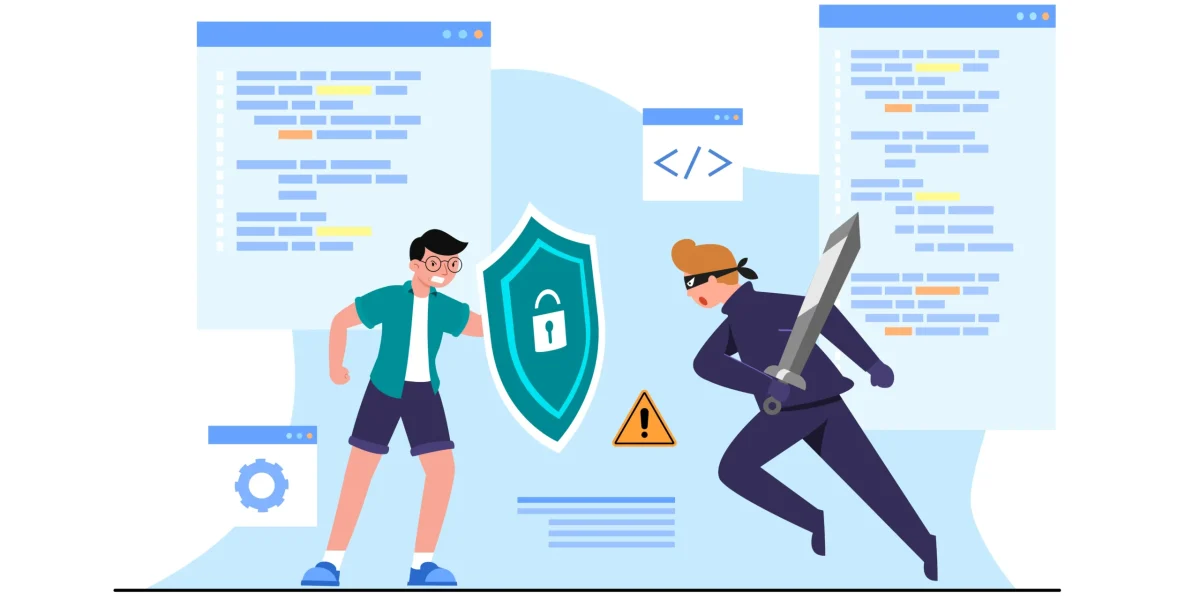
The internet has become a part of everyday life. We use it to communicate, work, study, shop, store memories, and run businesses. While this digital convenience has made life easier, it has also created new risks that many people do not fully understand. Cybersecurity exists to manage these risks and keep our digital world safe.
For many, cybersecurity sounds complicated or technical. In reality, the basic idea behind cybersecurity is simple. It is about protecting digital information and systems from people or actions that should not have access to them. This article explains cybersecurity in simple words, without technical language, so that anyone can understand why it matters and how it affects daily life.
What Is Cybersecurity in Simple Terms
Cybersecurity means protecting digital information, devices, and systems from theft, damage, or unauthorised access. Digital information includes things like emails, passwords, photos, bank details, customer data, and business records. Devices include mobile phones, laptops, computers, and servers. Systems include websites, applications, and online platforms.
An easy way to understand cybersecurity is to compare it with everyday physical security. Imagine your home. You lock the doors, close the windows, and protect valuable items because you do not want strangers to enter. Cybersecurity does the same thing, but for your digital space. It places protection around your online accounts, data, and systems so that only authorised people can access them.
Cybersecurity is not only about stopping criminals. It is also about preventing mistakes, avoiding accidental data loss, and ensuring digital systems work reliably.
Why Cybersecurity Is Needed Today
The reason cybersecurity is so important today is simple. Almost everything now depends on digital technology. Payments are made online, personal information is stored digitally, and businesses rely on internet connected systems to operate.
As digital usage increases, so do digital risks. Cyber threats have become more common, more organised, and easier to launch. At the same time, many people and organisations still underestimate these risks or believe they will never be affected.
Cybersecurity is needed to protect trust. People trust websites with their personal details. Customers trust businesses with sensitive information. Employees trust organisations with their data. Without cybersecurity, this trust can be broken very quickly.
Cybersecurity is also about responsibility. When you store or handle information, you are responsible for keeping it safe. This applies to individuals as well as businesses.
What Does Cybersecurity Protect
Cybersecurity protects several important things that people often take for granted.
It protects personal information such as identity details, contact information, and financial records. It protects business data like customer databases, internal documents, and operational systems. It protects devices from being misused or controlled without permission. It also protects reputation, trust, and continuity.
When cybersecurity fails, the damage is not limited to technical systems. It affects people, finances, relationships, and confidence.
Common Cyber Threats Explained Simply
Cyber threats are methods used to exploit digital systems or users. While there are many types, most threats fall into a few common categories.
Phishing is when attackers send fake messages that appear genuine in order to trick people into sharing sensitive information. These messages often look like emails from banks, colleagues, or known services.
Malware is harmful software designed to damage systems or gain unauthorised access. It can slow devices down, steal data, or allow attackers to control systems.
Ransomware locks data and demands payment to restore access. This can completely stop individuals or businesses from accessing their own information.
Social engineering relies on manipulating human behaviour rather than technology. Attackers exploit trust, urgency, or fear to make people act without thinking.
Data breaches occur when sensitive information is accessed or exposed without permission. This can happen due to hacking, poor security practices, or simple mistakes.
These threats succeed not only because of technology, but also because of human behaviour.
How Cyber Attacks Usually Happen
Most cyber attacks do not begin with advanced techniques. They often start with simple weaknesses. Weak passwords, reused credentials, unsecured networks, and outdated software create easy entry points.
Human error is one of the biggest causes of cyber incidents. Clicking unknown links, downloading unverified files, or sharing information without checking can open the door to attackers.
Many attacks are gradual. Attackers observe behaviour, test access points, and wait for opportunities. This is why basic awareness and good habits are often more effective than complex tools alone.
Understanding how attacks happen helps people make better decisions and reduce risk.
Is Cybersecurity Only for Technical People
A common misconception is that cybersecurity is only for technical experts. In reality, cybersecurity affects everyone who uses digital devices or the internet.
While technical teams manage systems and tools, everyday users play a critical role. Simple actions such as protecting passwords, recognising suspicious messages, and using devices responsibly make a significant difference.
Cybersecurity works best when everyone understands their role. It is a shared responsibility, not a specialised task limited to professionals.
Cybersecurity for Businesses Explained Simply
Businesses face greater cybersecurity risks because they handle large volumes of data and depend heavily on digital systems. Customer information, financial records, and internal operations all become targets.
Cybersecurity for businesses is not just about protecting computers. It involves policies, awareness, leadership, and consistent practices. Employees need guidance. Systems need protection. Data needs careful handling.
For businesses, cybersecurity supports continuity. Secure systems reduce downtime, protect reputation, and maintain customer trust. Ignoring cybersecurity can lead to financial loss, legal issues, and long-term damage.
Cybersecurity is not a cost without value. It is an investment in stability and reliability.
Basic Cybersecurity Practices Anyone Can Follow
You do not need technical knowledge to follow basic cybersecurity practices. Some simple habits can significantly reduce risk.
Using strong and unique passwords is essential. Passwords should not be reused across multiple accounts. Two factor authentication adds another layer of protection.
Keeping devices updated ensures that known vulnerabilities are fixed. Updates are not optional inconveniences. They are security improvements.
Being cautious online helps avoid many threats. Unknown links, unexpected attachments, and urgent requests should always be questioned.
Regular backups protect data from loss. Backups ensure that information can be restored if something goes wrong.
These simple practices form the foundation of cybersecurity.
Why Cybersecurity Awareness Matters
Cybersecurity awareness helps people recognise risk before damage occurs. Awareness is about understanding, not fear. It empowers users to make informed choices.
When people are aware, they pause before clicking, verify before sharing, and report concerns early. This reduces opportunities for attackers.
In organisations, awareness creates a culture of responsibility. Security becomes part of daily behaviour rather than an afterthought.
Awareness is not a one-time lesson. It is an ongoing process that adapts as threats evolve.
Cybersecurity Is an Ongoing Practice
Cybersecurity is not something that can be set up once and forgotten. Digital risks change as technology evolves. New tools create new opportunities, but also new vulnerabilities.
Staying safe requires continuous learning, responsible behaviour, and regular review of practices. Cybersecurity grows stronger when it is treated as a habit rather than a reaction.
Understanding cybersecurity basics helps people and organisations build confidence in using digital systems safely.
Final Thoughts
Cybersecurity does not have to be complex or intimidating. At its heart, it is about protecting what matters in a digital world. Information, trust, and continuity depend on it.
By understanding cybersecurity in simple words, anyone can take responsibility for their digital safety. Awareness, basic practices, and informed behaviour go a long way in reducing risk.
Cybersecurity is not just for experts or large organisations. It is for everyone who uses the internet, owns a device, or relies on digital systems. The more people understand it, the safer the digital world becomes.